Septic systems are a cornerstone of wastewater management for properties that are not connected to municipal sewer systems. While these systems effectively treat household wastewater, traditional septic practices can sometimes strain the environment, especially if maintenance is neglected or inefficient techniques are used. In recent years, homeowners and property managers have become increasingly interested in eco-friendly septic solutions that promote sustainability, conserve resources, and reduce environmental impact. Adopting green practices in The Septic Guys system management not only protects local ecosystems but also enhances the long-term performance and efficiency of the system itself.
Understanding the Environmental Impact of Traditional Septic Systems
A conventional septic system consists of a septic tank and a drain field. Wastewater flows from the home into the tank, where solids settle as sludge and oils rise to form scum. The liquid effluent then moves into the drain field, where it is naturally filtered through the soil. When functioning correctly, this system treats wastewater effectively; however, poor maintenance or improper design can result in environmental harm.
For instance, when septic tanks are not pumped regularly, accumulated sludge can overflow into the drain field, leading to surface contamination. In some cases, untreated effluent may seep into groundwater, polluting wells, streams, or lakes with harmful bacteria, nitrates, and phosphates. Additionally, excessive water usage or chemical-laden household cleaners can disrupt the natural bacterial processes essential for breaking down solids.
Eco-friendly septic solutions aim to mitigate these risks by optimizing system efficiency, reducing chemical impact, and promoting natural treatment processes. By incorporating sustainable practices, homeowners can protect the environment while maintaining a reliable and long-lasting septic system.
Key Eco-Friendly Septic Practices
Adopting eco-friendly approaches involves both proactive maintenance and environmentally conscious household behaviors. Below are some of the most effective practices for sustainable septic management:
1. Regular Pumping and Inspections
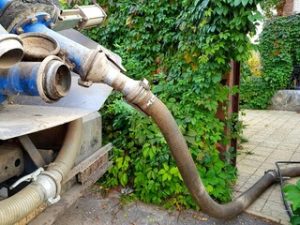
Routine pumping and inspections are fundamental to eco-friendly septic care. Over time, solids accumulate in the tank, which can reduce system efficiency and cause environmental contamination if not removed. Scheduling pumping every three to five years, or more frequently for larger households, prevents sludge from overflowing into the drain field.
Periodic inspections, ideally conducted by a professional, allow homeowners to identify potential issues such as leaks, cracks, or drain field saturation before they escalate. Maintaining a log of pumping and inspection history helps track system performance and ensures timely interventions, preserving both system health and environmental safety.
2. Water Conservation Practices
Reducing water usage is a simple yet highly effective way to enhance septic system sustainability. Excess water can overwhelm the system, dilute beneficial bacteria in the tank, and increase the risk of effluent surfacing in the drain field.
Eco-friendly water management strategies include:
- Spreading Out Laundry Loads: Avoid washing multiple large loads consecutively to prevent overloading the system.
- Installing Water-Efficient Fixtures: Low-flow toilets, faucets, and showerheads can significantly reduce water consumption.
- Fixing Leaks Promptly: Leaking faucets or toilets may seem minor, but they can contribute to excessive water entering the system over time.
By conserving water, homeowners not only extend the life of the septic system but also reduce the likelihood of environmental contamination.
3. Minimizing Harmful Chemicals
Household chemicals such as bleach, antibacterial soaps, and harsh cleaners can disrupt the natural bacterial processes that break down solids in the septic tank. Eco-friendly septic care involves minimizing the use of these substances and choosing biodegradable or septic-safe alternatives whenever possible.
In addition, homeowners should avoid pouring grease, oils, paints, or solvents down drains, as these substances can damage the tank, block pipes, and contaminate soil and groundwater. Proper disposal of hazardous materials at designated collection sites ensures the septic system continues to operate efficiently and reduces environmental risk.
4. Landscaping and Drain Field Protection
The drain field is a critical component of a septic system and requires careful management to maintain sustainability. Certain landscaping choices and property practices can enhance or impair the system’s functionality.
- Avoid Heavy Objects: Do not park vehicles or place heavy equipment on the drain field, as this can compact soil and reduce its ability to absorb effluent.
- Select Appropriate Plants: Shallow-rooted grass or ground cover is ideal; deep-rooted trees and shrubs can infiltrate pipes and disrupt the soil absorption process.
- Maintain Proper Surface Drainage: Ensure rainwater runoff is directed away from the drain field to prevent saturation and system overload.
These landscaping practices protect the drain field, maintain soil health, and prevent environmental contamination.
5. Advanced Eco-Friendly Septic Technologies
In addition to preventive practices, modern eco-friendly technologies can enhance the sustainability of septic systems. These solutions are designed to reduce environmental impact while maintaining high system efficiency. Examples include:
- Aerobic Treatment Units (ATUs): Unlike conventional tanks, ATUs introduce oxygen into the wastewater, promoting bacterial activity that breaks down solids more effectively. This process produces cleaner effluent and reduces nutrient discharge into the soil.
- Constructed Wetlands: These systems use plants, gravel, and soil to naturally treat wastewater. Constructed wetlands are highly effective at removing pollutants and provide additional green space or habitat on the property.
- Effluent Filters and Alarms: Installing filters prevents solids from entering the drain field, while alarms alert homeowners to potential system issues, ensuring timely maintenance.
Investing in these technologies may require upfront costs, but the long-term environmental benefits and system longevity often outweigh the initial expense.
Benefits of Eco-Friendly Septic Solutions
Implementing eco-friendly septic practices provides multiple advantages, both for the property and the environment:
- Environmental Protection: Sustainable practices reduce the risk of groundwater contamination and protect local water sources.
- Cost Savings: Preventive maintenance and water conservation decrease the likelihood of costly repairs or premature system replacement.
- System Longevity: Proper care ensures the septic system functions efficiently for decades, minimizing wear and stress on components.
- Community Health: Reducing untreated wastewater discharge contributes to a healthier local ecosystem and safer drinking water sources.
- Sustainable Lifestyle: Homeowners can take pride in adopting environmentally responsible practices that support long-term sustainability.
These benefits demonstrate that eco-friendly septic solutions are not only good for the planet but also for property value, household safety, and financial planning.
Common Misconceptions About Eco-Friendly Septic Care
Many homeowners assume that eco-friendly septic solutions are complicated or costly. In reality, some of the most effective sustainable practices—such as regular pumping, water conservation, and minimizing chemical use—require minimal effort and expense. Additionally, modern technologies like aerobic treatment units or constructed wetlands are becoming increasingly accessible and can provide long-term environmental and economic benefits.
Another misconception is that conventional septic systems cannot be environmentally responsible. Even traditional systems can operate sustainably when combined with preventive maintenance, careful waste management, and eco-conscious landscaping. Homeowners do not need to completely replace their systems to implement green practices; small adjustments can make a significant difference.
Integrating Eco-Friendly Practices Into Daily Life
Homeowners can maximize the sustainability of their septic systems by incorporating eco-friendly habits into everyday routines. Some practical tips include:
- Mindful Waste Disposal: Educate all household members about what can and cannot be flushed or poured down drains.
- Routine Maintenance: Schedule inspections and pumping according to professional recommendations to prevent sludge accumulation and system overload.
- Smart Water Use: Install water-efficient appliances, fix leaks promptly, and monitor water consumption to reduce stress on the system.
- Landscaping Choices: Use appropriate plantings and maintain proper surface drainage to support the drain field’s health.
- Consider Technology Upgrades: Evaluate the feasibility of advanced treatment units or filtration systems to further reduce environmental impact.
By integrating these practices, homeowners can enjoy a reliable septic system while contributing positively to environmental sustainability.
Eco-friendly septic solutions represent a proactive approach to wastewater management that balances system efficiency, environmental responsibility, and long-term property protection. By adopting sustainable practices such as regular pumping and inspections, water conservation, minimizing chemical use, careful landscaping, and advanced technologies, homeowners can reduce the environmental impact of their septic system while ensuring it operates effectively for decades.
Investing in eco-friendly septic care is not merely an environmental choice—it is a financial and health-conscious decision. Properly maintained systems reduce the risk of costly repairs, prevent environmental contamination, and safeguard the health of occupants and surrounding communities. By embracing sustainable septic practices, homeowners can achieve a cleaner, safer, and more efficient wastewater management solution that benefits both their property and the planet.