Water damage rarely announces itself politely. It often arrives suddenly—through a burst pipe, a severe storm, a leaking appliance, or an unnoticed structural vulnerability—and begins its destructive work almost immediately. What many property owners underestimate, however, is not just the damage itself but the cost of waiting. Delayed action can transform a manageable issue into a complex, expensive restoration project. Understanding why timely water damage restoration matters is essential for protecting both financial investments and the structural integrity of any property.
At its core, All Pro Services water damage is progressive. The longer moisture remains within a structure, the more extensive the damage becomes. Materials absorb water at different rates, and once saturation occurs, deterioration accelerates. What might initially seem like a minor inconvenience—such as a small leak or a damp patch—can quickly escalate into warped flooring, weakened foundations, and hazardous living conditions. Acting promptly is not simply a recommendation; it is a critical factor that determines the scope, cost, and success of restoration.
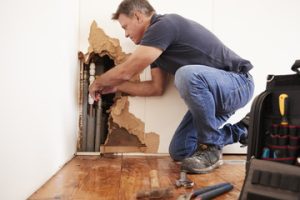
The Immediate Impact of Water Intrusion
When water enters a property, it begins affecting materials almost instantly. Porous materials such as drywall, wood, and insulation absorb moisture quickly, leading to swelling, warping, and loss of structural strength. Even non-porous surfaces can trap moisture beneath them, creating hidden pockets of damage that are not immediately visible.
Within the first few hours, water spreads rapidly, seeping into cracks, joints, and subflooring. Electrical systems may become compromised, and personal belongings can suffer irreversible damage. If the source of the water is not clean, contamination becomes an additional concern, introducing bacteria and other harmful elements into the environment.
This early stage is where prompt intervention can make the greatest difference. Removing water and beginning the drying process immediately can prevent much of the initial damage from becoming permanent.
The Escalating Cost of Delay
One of the most compelling reasons to act quickly is the financial impact of delayed restoration. Costs do not increase linearly—they tend to escalate exponentially as damage spreads and secondary issues develop. What begins as a relatively straightforward cleanup can evolve into a full-scale reconstruction project if left unaddressed.
Several factors contribute to rising costs over time:
- Material Replacement vs. Restoration
In the early stages, many materials can be dried and restored. However, prolonged exposure to moisture often renders these materials unsalvageable, requiring complete replacement. Flooring, drywall, and cabinetry are particularly vulnerable to this shift. - Labor and Time Intensification
As damage worsens, restoration becomes more labor-intensive. Additional steps such as demolition, debris removal, and reconstruction increase both the duration and cost of the project. - Secondary Damage Repair
Issues such as mold growth, structural weakening, and electrical damage introduce new layers of complexity. Addressing these problems requires specialized treatments and further increases expenses.
By addressing water damage promptly, property owners can significantly reduce these escalating costs and limit the scope of restoration work.
Structural Integrity at Risk
Beyond financial considerations, delayed water damage restoration poses a serious threat to structural integrity. Buildings are designed to withstand various stresses, but prolonged exposure to moisture can compromise key structural components.
Wood framing, for example, can absorb water and begin to rot over time. This weakens load-bearing structures and increases the risk of structural failure. Similarly, metal components may corrode, and concrete can develop cracks as water infiltrates and expands.
The integrity of a structure depends on the stability of its materials. When those materials are compromised, the entire building becomes vulnerable. Timely restoration helps preserve these components, ensuring that the structure remains safe and sound.
Mold Growth and Health Implications
One of the most significant consequences of delayed water damage restoration is mold growth. Mold can begin developing within 24 to 48 hours in moist environments, spreading quickly across surfaces and into the air.
Mold not only damages materials but also poses serious health risks. Exposure can lead to respiratory issues, allergic reactions, and other health concerns, particularly for individuals with pre-existing conditions. Once mold becomes widespread, remediation becomes more complex and costly.
Preventing mold growth is far easier than removing it. Quick drying, proper ventilation, and antimicrobial treatments can stop mold before it takes hold. Delayed action, on the other hand, often results in extensive remediation efforts that could have been avoided.
Hidden Damage and Long-Term Consequences
Water damage is often deceptive. While visible signs such as stains and warping may be obvious, hidden damage can persist beneath the surface. Moisture can become trapped within walls, under flooring, and inside insulation, creating conditions for ongoing deterioration.
Over time, this hidden damage can lead to:
- Persistent odors caused by trapped moisture and microbial growth
- Decreased indoor air quality, affecting occupant comfort and health
- Gradual weakening of structural components, leading to costly repairs in the future
These long-term consequences highlight the importance of thorough and timely restoration. Addressing both visible and hidden damage ensures that the problem is fully resolved rather than temporarily masked.
Insurance and Financial Implications
Delaying water damage restoration can also complicate insurance claims. Many policies require property owners to take reasonable steps to mitigate damage. Failure to act promptly may result in reduced coverage or denied claims.
Insurance providers often assess whether the damage was exacerbated by neglect. If it is determined that timely action could have minimized the impact, the property owner may be held responsible for additional costs. This makes immediate response not only a practical decision but also a financially strategic one.
Proper documentation, prompt reporting, and swift mitigation efforts can streamline the claims process and improve the likelihood of full coverage. Waiting too long, however, can create unnecessary complications and financial strain.
The Role of Professional Restoration
While some property owners may attempt to handle water damage on their own, professional restoration plays a crucial role in ensuring effective and comprehensive recovery. Restoration specialists use advanced equipment and techniques to address both visible and hidden damage.
Professional services typically include water extraction, structural drying, moisture detection, and sanitation. These processes are carefully monitored to ensure that moisture levels return to normal and that the property is safe for occupancy.
Attempting to cut corners or delay professional intervention often leads to incomplete restoration. This can result in recurring issues, additional costs, and prolonged disruption. Engaging professionals early in the process helps ensure that the restoration is done correctly the first time.
Preventive Measures and Preparedness
While timely restoration is critical, prevention remains the most effective strategy for minimizing water damage. Property owners can take proactive steps to reduce the risk of water intrusion and ensure a faster response when issues arise.
Key preventive measures include:
- Regular maintenance of plumbing systems and appliances to identify and address potential leaks
- Installation of water detection devices that provide early warnings of moisture issues
- Routine inspections of roofing and drainage systems to prevent water infiltration
Preparedness also involves having a clear plan of action. Knowing how to shut off water sources, who to contact, and what steps to take immediately can significantly reduce the impact of water damage.
The Value of Acting Quickly
Time is the most critical factor in water damage restoration. Every hour that passes allows moisture to spread, materials to deteriorate, and costs to rise. Acting quickly not only limits damage but also simplifies the restoration process and reduces overall expenses.
Prompt action preserves more of the original structure, minimizes health risks, and shortens recovery time. It allows property owners to regain normalcy sooner and avoid the stress and uncertainty that often accompany prolonged restoration projects.
Conclusion
Water damage is a challenge that demands immediate attention. The cost of delay extends far beyond initial repairs, affecting structural integrity, financial stability, and overall safety. By understanding the importance of timely restoration, property owners can make informed decisions that protect their investments and ensure long-term resilience.
From preventing material deterioration to avoiding mold growth and escalating costs, the benefits of acting quickly are clear. Restoration is not just about fixing what is damaged—it is about preserving what remains and preventing further loss. In the face of water damage, time is not just money; it is the foundation of effective recovery.